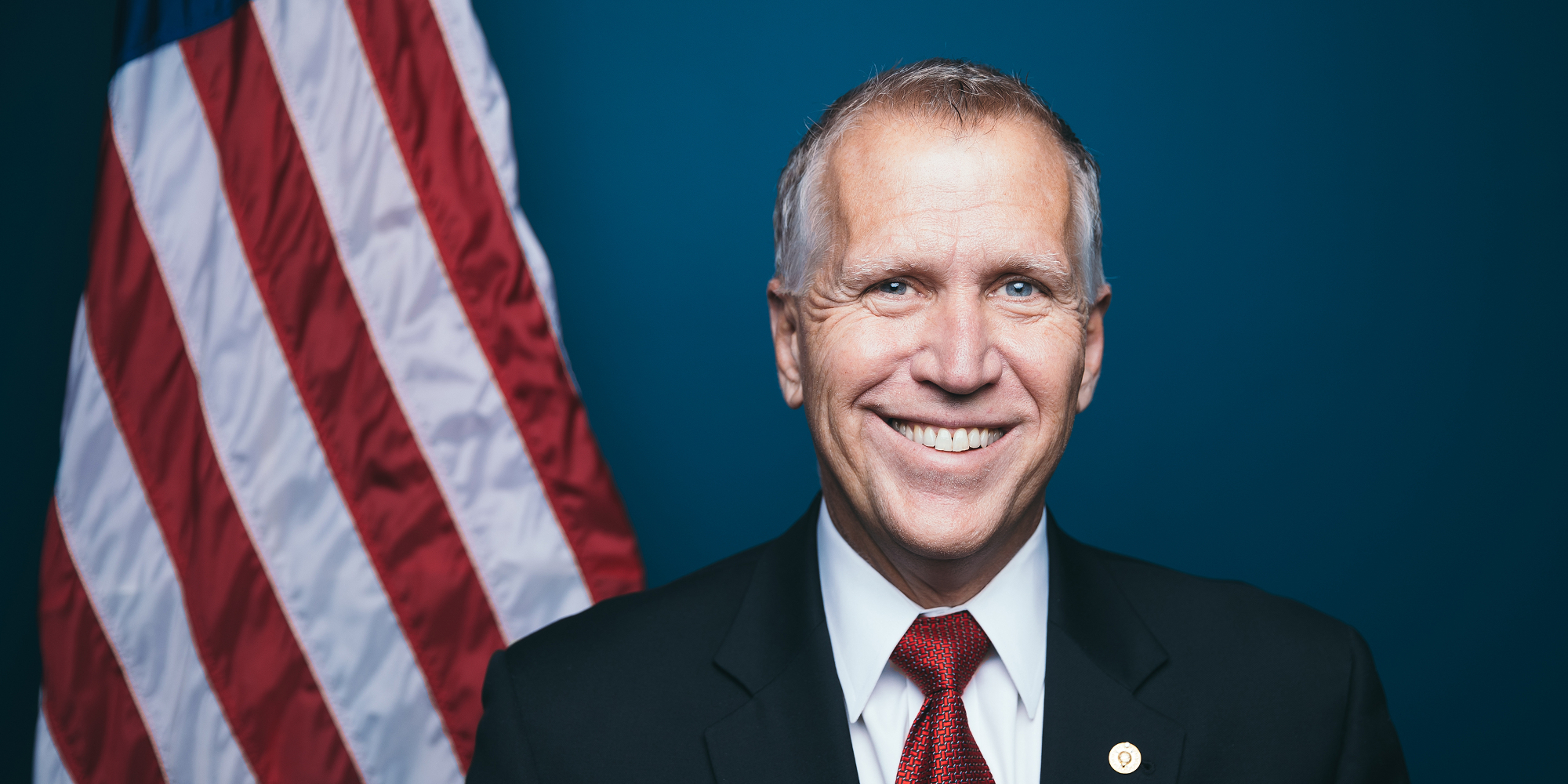
In a political climate already fraught with tension, North Carolina Republican Senator Thom Tillis has emerged as a central figure, leveraging his significant influence in the Senate to challenge a key presidential appointment. His current standoff over President Trump’s nominee to lead the Federal Reserve, entangled with a controversial Department of Justice (DOJ) probe, highlights the potent dynamics within the U.S. legislative body. This high-stakes drama not only impacts the future of the nation's financial leadership but also underscores the profound challenges to institutional independence and the intense pressures faced by public officials, often leading to what some might term a "tillis menace sénat" situation – a powerful, individual senator wielding considerable, almost intimidating, sway.
Tillis's Bold Stance: Blocking a Fed Nominee
The core of the current political maelstrom revolves around Senator Tillis's unwavering threat to block Kevin Warsh, President Trump’s pick for Federal Reserve Chair. This isn't a typical partisan objection; Tillis's motivation stems from a specific and highly contentious issue: a criminal probe launched by federal prosecutors in Washington, DC, against the outgoing Fed Chair, Jerome Powell. Tillis’s resolve was immediate and absolute following revelations that Powell was under investigation, vowing to block Warsh's confirmation until the DOJ drops its inquiry.
Speaking on CNBC’s “Squawk Box,” Tillis articulated his commitment to this course of action, stating he's "willing to let it play out for the remainder of this Congress, if that’s what’s necessary to get to the truth or to get back to a process that makes sense and that keeps the Fed independent.” This declaration underscores the gravity of his concern for the Fed's autonomy, a principle often considered sacrosanct for effective monetary policy. He further emphasized his conditional support for Warsh, noting, "I’d be one of the first people to introduce Mr. Warsh if we’re behind this and support him, but not before this matter is settled.” This clear ultimatum sets a significant hurdle for the administration's nominee.
The power dynamics at play are crucial. The Senate Banking Committee, which holds the initial vote on the Warsh nomination, has a slim Republican majority of 13-11. If Tillis, a Republican, withholds his support, and all Democrats align in opposition, Warsh's nomination could effectively be dead in the water. This illustrates the immense leverage an individual senator can exert, especially in a closely divided committee and chamber.
The Jerome Powell Probe: A Deep Dive into Allegations
At the heart of Tillis's blockade is the federal probe into Jerome Powell. Last month, Powell revealed he was the subject of an investigation concerning whether he lied in summer 2025 testimony to Congress. The alleged perjury relates to the Fed’s substantial $2.5 billion headquarters renovation project. This investigation casts a long shadow over the institution, raising questions about accountability, transparency, and the potential for political weaponization of legal processes.
The timing and nature of the probe are particularly sensitive, occurring amidst past, public pressure from President Trump on Powell regarding interest rates. Trump had previously blasted Powell as “stupid” and having “mental problems” for not slashing interest rates fast enough, fueling speculation about political motivations behind any action against the Fed chair. Powell himself has articulated his concerns about this pressure, stating, “This is about whether the Fed will be able to continue to set interest rates based on evidence and economic conditions – or whether instead monetary policy will be directed by political pressure or intimidation.” This statement powerfully frames the stakes, not just for his personal career, but for the fundamental integrity of the Federal Reserve’s role in the economy.
Interestingly, some of Tillis’s Republican colleagues do not share the same level of alarm regarding Powell’s actions. Senator Tim Scott (R-SC), who chairs the Senate Banking Committee and oversaw the June hearing at the center of the probe, has publicly stated he does not believe Powell committed a crime. During an interview, Scott acknowledged he "didn’t like Powell’s answers," but concluded that "ineptness or being incompetent is not a criminal act." This divergence of opinion within the Republican party highlights the complexity and subjective interpretation of the evidence surrounding the probe.
Understanding the Principle of Fed Independence
- Monetary Policy Autonomy: The Federal Reserve’s independence is crucial because it allows monetary policy decisions (like setting interest rates) to be based on economic data and expert analysis, rather than short-term political expediency or electoral cycles.
- Preventing Inflation: An independent Fed is better positioned to make tough, sometimes unpopular, decisions necessary to control inflation and maintain price stability without political interference.
- Investor Confidence: Global financial markets often view the Fed's independence as a cornerstone of U.S. economic stability, influencing investor confidence and the dollar's strength.
- Checks and Balances: While independent, the Fed is still accountable to Congress through regular reports and testimonies, striking a balance between autonomy and oversight.
The Senate Chessboard: Tillis's Leverage and the "Tillis Menace Sénat" Angle
Senator Tillis’s strategic maneuver on the Senate Banking Committee is a textbook example of individual legislative power. With a narrow 13-11 Republican majority, his single dissenting vote, when combined with unanimous Democratic opposition, is sufficient to block Warsh's nomination. This scenario showcases the immense leverage a senator can wield, effectively holding a presidential appointment hostage to a specific demand. Tillis has even stated he would continue to block any nominees, even if the Justice Department were to offer a deal for Powell to step down from the Fed board early. While Powell's term as chairman expires in May, he could remain a Fed governor until 2028, a possibility he has yet to comment on.
This powerful play in the Senate – or Sénat, as it's known in French-speaking contexts – has cast Senator Tillis as a formidable figure, a "menace" to the administration's agenda, depending on one's perspective, wielding significant power. His unwavering commitment to his demands positions him as a gatekeeper whose resolve can upend carefully laid political plans. This situation provides a unique look into the strategic thinking behind such moves. Is it solely about principle, protecting the Federal Reserve's independence? Or does it also serve to consolidate Tillis's influence, perhaps in response to other political pressures he faces? Such calculated risks are often a hallmark of veteran legislators navigating the complex currents of Capitol Hill.
Beyond the Standoff: Tillis and the Shadow of Threats
Adding another layer to the narrative surrounding Senator Tillis is the disturbing reality of the threats he and his staff endure. While he exerts considerable political pressure, he is simultaneously on the receiving end of intense, often violent, intimidation. In a stark illustration of the vitriol permeating modern politics, Tillis's office released compilations of threatening voicemails, including a news release with the chilling subject line: "MEMO: Tired of death threats? Then get the f*** out of office!" This direct quote from one of many expletive-ridden messages underscores the hostile environment faced by elected officials.
These threats are not isolated incidents. Tillis has received specific death threats related to various legislative activities, including the proposed bill to ban TikTok. One particularly alarming voicemail, which Tillis released on his X account, featured a young woman threatening to "find him and shoot him and cut him into pieces" if he voted for the TikTok ban, laughing throughout the message. She cited her reliance on TikTok for income and entertainment, revealing the deep, personal impact legislative decisions can have, albeit expressed in a dangerous and illegal manner.
These incidents force a crucial societal discussion about the boundaries of free speech and the alarming rise of credible threats against public servants. How do such aggressive expressions of discontent impact the willingness of individuals to engage in public service? Moreover, what are the implications for democratic processes when fear and intimidation become part of the political landscape? For a deeper dive into this critical issue, consider reading: Senator Tillis Reveals Death Threats: Protected Free Speech? and The Tillis Menace: Death Threats, TikTok, and Senate Power Plays.
The Impact of Threats on Governance
- Chilling Effect: Threats can deter individuals from running for office or make incumbents hesitant to take unpopular but necessary stances, eroding the quality of representation.
- Resource Diversion: Security concerns necessitate increased resources for protection, diverting funds and attention from other legislative priorities.
- Undermining Discourse: When debate descends into threats, it stifles constructive dialogue and pushes political discourse further into polarization.
- Rule of Law: Allowing threats to go unaddressed undermines the rule of law and the fundamental principles of a civil society.
In a political system that relies on robust debate and principled stands, the twin narratives surrounding Senator Thom Tillis – his powerful, almost confrontational, Senate leverage and the grim reality of the death threats he receives – paint a complex picture. His resolute blockade of a key Federal Reserve nominee, driven by concerns for institutional independence, demonstrates the profound influence an individual senator can wield. Simultaneously, the very real dangers he faces highlight the increasingly hostile environment of public service. This "tillis menace sénat" situation, encompassing both his formidable political presence and the perils he endures, serves as a stark reminder of the intricate balance between legislative power, political pressure, and the fundamental safety of those tasked with governing.