Senator Tillis Reveals Death Threats: Unpacking the Line Between Free Speech and Criminal Intimidation
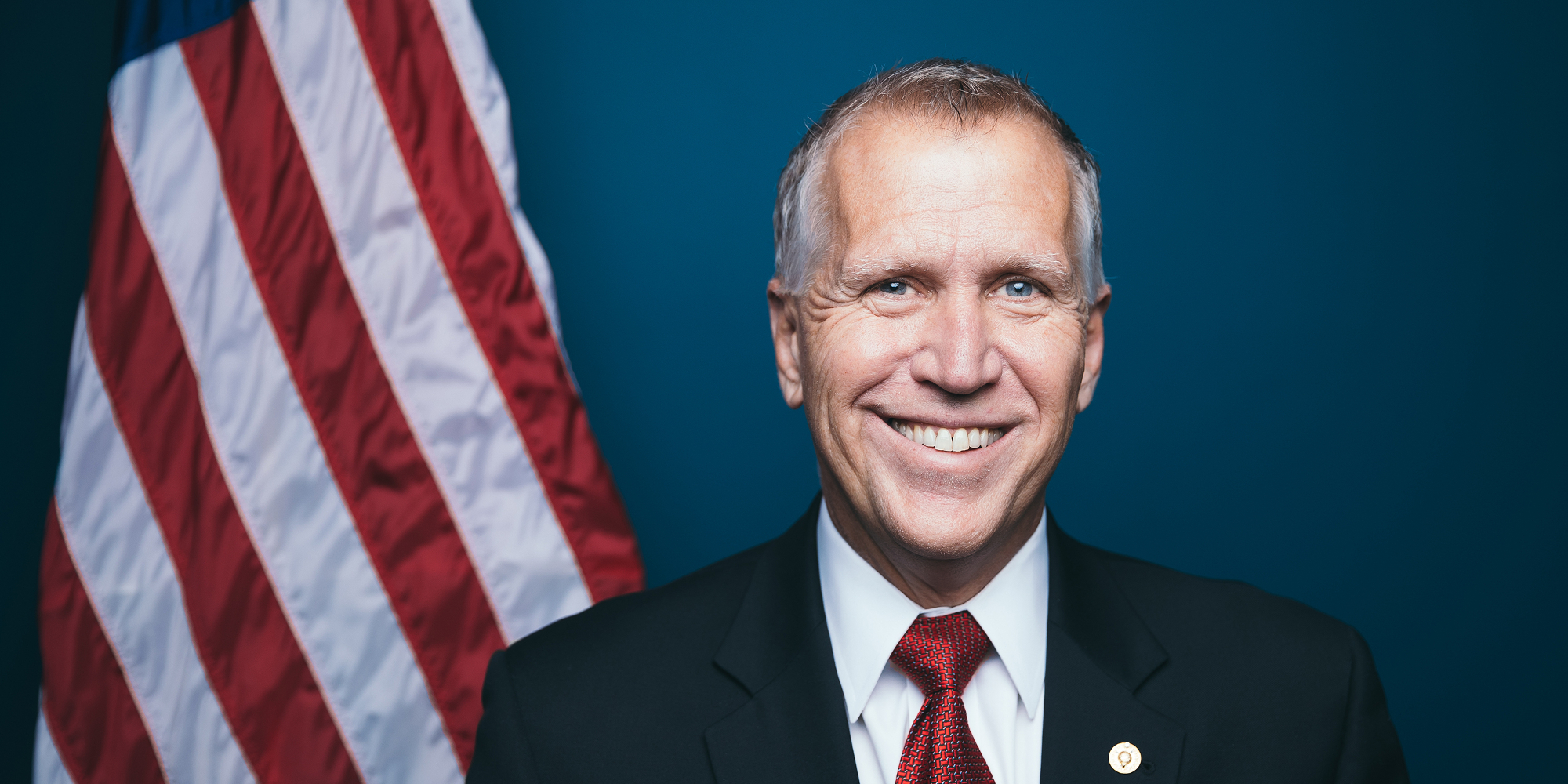
The political landscape in the United States is increasingly charged, with public officials often finding themselves targets of intense scrutiny, criticism, and, alarmingly, outright threats. Recently, North Carolina Republican Senator Thom Tillis brought this concerning trend into sharp focus by revealing a series of death threats he and his staff have received. These disturbing communications, often expletive-ridden and explicitly violent, raise critical questions about the boundaries of protected free speech and the escalating climate of political intimidation in the modern era.
The Alarming Wave of Political Intimidation Targeting Senator Tillis
The gravity of the threats against Senator Tillis became undeniable in March when his Senior Advisor, Daniel Keylin, issued a news release. The subject line itself – "MEMO: Tired of death threats? Then get the f*** out of office!" – was a direct quote from one of the many threatening voicemails Tillis's office had compiled. These audio recordings, released in video form alongside the memo, painted a vivid picture of the relentless harassment faced by the senator and his team.
One particularly egregious threat, made public by Tillis on his X account, concerned proposed legislation to ban the popular social media platform TikTok. A young woman, audibly laughing, threatened to "find him and shoot him and cut him into pieces" if he voted in favor of the bill. She reiterated the threat of shooting him twice, claiming people make money from TikTok, that she was trying to get rich, and that the app was her only form of entertainment. This incident underscores the visceral and often personal nature of the threats, sometimes linked to specific policy debates, but reflecting a broader underlying current of extremism. The sheer audacity and casualness of such a violent declaration, delivered with laughter, highlight a disturbing normalization of hostility in public discourse. This `tillis menace` – the threats he receives – presents a significant challenge to the functioning of democracy itself.
Navigating the Legal Landscape: Free Speech vs. True Threats
The First Amendment to the U.S. Constitution broadly protects freedom of speech, a cornerstone of American democracy. However, this protection is not absolute. A critical distinction exists between constitutionally protected speech and "true threats," which are not protected and can lead to criminal prosecution.
Understanding the First Amendment and "True Threats"
* **Breadth of Protection:** The First Amendment safeguards a wide range of expression, including unpopular opinions, harsh criticism of public officials, and even offensive language. The intention is to foster robust debate and ensure citizens can hold their government accountable without fear of reprisal.
* **The "True Threat" Exception:** The Supreme Court has consistently held that "true threats" fall outside the scope of First Amendment protection. A true threat is generally understood as a statement where the speaker means to communicate a serious expression of an intent to commit an unlawful act of violence to a particular individual or group of individuals. The intent here is crucial; it’s not about whether the speaker *intended to carry out* the threat, but whether they *intended to communicate a serious threat of violence*.
* **Legal Standards:** Courts often apply an objective standard, asking whether a reasonable person would interpret the statement as a serious expression of intent to inflict harm. The challenge in cases like Senator Tillis's lies in distinguishing between genuine threats of violence and hyperbole, rhetorical flourish, or angry venting that, while inappropriate, does not cross the line into criminal conduct. When someone declares they will "shoot him and cut him into pieces," especially with specific context like the TikTok ban, it undoubtedly pushes the boundaries of mere political rhetoric and ventures squarely into the realm of a potential true threat.
The Impact on Public Service and Democracy
Such menacing communications have a corrosive effect on the democratic process.
* **Chilling Effect on Discourse:** When public officials face credible threats of violence, it can create a "chilling effect," discouraging them from taking controversial but necessary stands, or even from seeking public office in the first place. The fear of personal harm can stifle open debate and compromise legislative independence.
* **Deterring Public Service:** Who would want to serve in the `sénat` or any public office if it means routinely enduring death threats against themselves or their families? This kind of intimidation can deter talented and principled individuals from entering public life, weakening the very institutions they might otherwise strengthen.
* **Erosion of Civility:** The increasing prevalence of violent rhetoric contributes to a broader decline in civil discourse. It normalizes hostility and makes it harder for individuals with differing views to engage constructively, further polarizing society.
Beyond Threats: Tillis's Stance on High-Stakes Issues
While the death threats represent a direct attack on Tillis's safety, they also occur against a backdrop of the senator's willingness to engage in high-stakes political maneuvers. Senator Tillis is no stranger to controversy, as evidenced by his firm stance on presidential appointments. For a deeper dive into this specific political battle, read
Tillis's Fed Standoff: Blocking Trump's Nominee Over DOJ Probe.
Tillis notably threatened to block President Trump’s nominee to lead the Federal Reserve, Kevin Warsh, unless the Department of Justice dropped its probe into outgoing Fed Chair Jerome Powell. This was a direct challenge to the Executive branch, with Tillis asserting that the probe into Powell – concerning whether he lied in 2025 testimony about the Fed’s $2.5 billion headquarters renovation – was politically motivated. He argued it jeopardized the Fed's independence, stating, "This is about whether the Fed will be able to continue to set interest rates based on evidence and economic conditions – or whether instead monetary policy will be directed by political pressure or intimidation." Even fellow Republican Senator Tim Scott, who chaired the hearing at the center of the probe, publicly stated he didn't believe Powell committed a crime, dismissing his answers as potentially "inept" or "incompetent," but not criminal.
This demonstrates that Senator Tillis is a prominent figure willing to take strong, often contentious, positions that draw both support and fierce opposition. While there's no direct link between the Fed standoff and the death threats, it illustrates the intense pressure cooker environment in which modern politicians operate. Every decision, every public statement, can ignite extreme reactions from segments of the population. This constant exposure, amplified by social media, can contribute to the belief among some that extreme measures, including threats, are justified.
The Broader Implications for Political Discourse and Public Safety
The instances of `tillis menace sénat` — the threats targeting a sitting U.S. Senator — are not isolated. They are symptoms of a worrying trend that impacts political figures across the spectrum. The accessibility of public figures through digital channels, coupled with the often-anonymous nature of online communication, has made it easier for individuals to direct vitriol and threats without immediate consequence.
* **Social Media's Double-Edged Sword:** Platforms like X (where Tillis released a threat) and TikTok (the subject of a threat) can be powerful tools for engagement, but also fertile ground for harassment and intimidation. The rapid spread of information and misinformation can quickly escalate emotions and incite extreme reactions.
* **Responsibility and Accountability:** There's a growing need for social media platforms to implement more robust mechanisms for identifying and removing threatening content, and for law enforcement to actively pursue and prosecute individuals who cross the line into true threats. The perceived impunity of online aggressors only emboldens others.
* **Reclaiming Civility:** Ultimately, addressing this crisis requires a collective effort to de-escalate political rhetoric and foster a culture of respectful disagreement. Citizens, media, and political leaders all have a role to play in promoting constructive dialogue over destructive confrontation. The challenges Senator Tillis faces underscore a pressing need to safeguard the integrity of public service against intimidation. For further context on the intersection of political threats, social media, and legislative actions, you can explore
The Tillis Menace: Death Threats, TikTok, and Senate Power Plays.
**Practical Takeaways:**
* **Report Threats:** If you encounter or receive a threat of violence, report it to law enforcement immediately. Do not dismiss it as mere "venting."
* **Understand Your Rights:** While free speech is broad, it does not protect incitement to violence or true threats.
* **Engage Responsibly:** Participate in political discourse with respect. Disagreeing vehemently is healthy for democracy; threatening harm is not.
Conclusion
The death threats received by Senator Thom Tillis are a stark reminder of the dangerous climate facing public servants today. While robust debate and passionate criticism are vital components of a healthy democracy, the line between protected free speech and criminal intimidation must be clearly drawn and vigorously defended. When individuals resort to threats of violence, it not only endangers public officials but also undermines the very foundations of democratic governance. Ensuring the safety of our elected representatives, while fiercely protecting legitimate dissent, is paramount to preserving a functioning and free society. It is incumbent upon all of us – citizens, media, and lawmakers – to champion a return to civility and accountability, safeguarding our political process from the chilling `menace` of fear and violence.