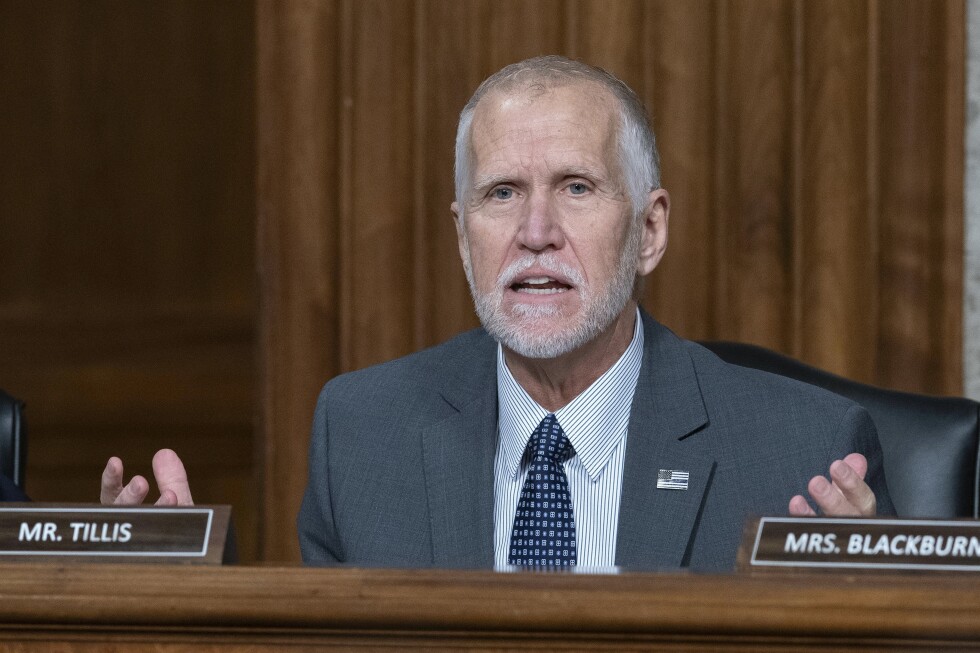
Navigating the Storm: Senator Tillis, Digital Threats, and High-Stakes Senate Power Plays
In the tumultuous landscape of American politics, few figures have recently found themselves at the epicenter of as many critical and controversial debates as North Carolina Republican Senator Thom Tillis. From confronting alarming death threats to engaging in intricate power struggles over the nation's economic future and even influencing the fate of popular social media platforms, Tillis's recent actions and experiences paint a vivid picture of modern senatorial duties. This article delves into the various facets of what some might term the tillis menace sénat, exploring his confrontations, his resolve, and the broader implications for the American political system.
The Alarming Voicemails: A Look at the Threats
Senator Tillis and his staff have been subjected to a barrage of deeply disturbing and threatening voicemails. In March, his office released a compilation of these messages, starkly illustrating the vitriol and hostility directed at public officials. One particular subject line from a news release, "MEMO: Tired of death threats? Then get the f*** out of office!", highlighted the severe nature of the abuse. These aren't isolated incidents; they represent a worrying trend of increasing aggression in political discourse.
Perhaps most chilling was a specific death threat related to the proposed ban on TikTok. A young woman, heard laughing throughout her message, threatened to "find him and shoot him and cut him into pieces" if Tillis voted in favor of the legislation. Her motivation, as expressed in the voicemail, stemmed from the platform being her "only form of entertainment" and a means for her to "get rich." This incident underscores the intense emotional and, for some, economic connections individuals have to digital platforms, and the dangerous ways in which these connections can manifest into real-world threats. It also forces a critical examination of the line between protected free speech and criminal intimidation. For a deeper dive into this aspect, read our related article: Senator Tillis Reveals Death Threats: Protected Free Speech?
Such threats are not merely inconveniences; they pose significant safety concerns for lawmakers and their families, and they highlight a breakdown in civil discourse. Political intimidation, whether online or offline, undermines the democratic process by attempting to silence dissenting voices and pressure officials through fear rather than reasoned debate.
A Senate Power Play: Tillis's Standoff with the Federal Reserve
Beyond personal security concerns, Senator Tillis has also demonstrated significant leverage within the Senate by taking a firm stance against the White House regarding the Federal Reserve. He threatened to block President Trump’s nominee to lead the Federal Reserve, Kevin Warsh, unless the Department of Justice (DOJ) dropped its criminal probe into outgoing Fed Chair Jerome Powell. This move was not taken lightly and sparked considerable debate over the independence of the nation's central bank.
The Powell Probe and the Warsh Nomination
The DOJ probe into Jerome Powell centered on whether he lied in summer 2025 testimony to Congress regarding the Fed’s $2.5 billion headquarters renovation project. President Trump had previously criticized Powell for not slashing interest rates quickly enough, branding the chair as "stupid" and having "mental problems." This background added a layer of political intrigue to what Tillis framed as a matter of institutional integrity.
Tillis made it clear he would "continue to block any nominees" even if the DOJ offered to drop the probe on the condition that Powell stepped down from the Fed board early. While Powell's term as chairman was set to expire in May, he could potentially remain a Fed governor until 2028. This potential for continued influence added weight to Tillis's demands. The senator articulated his commitment, stating, “I’d be one of the first people to introduce Mr. Warsh if we’re behind this and support him, but not before this matter is settled.” This unwavering position demonstrated the power of an individual senator to disrupt presidential appointments and demand accountability from executive branches. For more details on this significant standoff, see: Tillis's Fed Standoff: Blocking Trump's Nominee Over DOJ Probe.
Defending Fed Independence: A Senator's Resolve
Senator Tillis's principal argument was the imperative to maintain the Federal Reserve's independence from political pressure. Powell himself echoed this sentiment, asserting, “This is about whether the Fed will be able to continue to set interest rates based on evidence and economic conditions – or whether instead monetary policy will be directed by political pressure or intimidation.” The Fed's independence is crucial for ensuring stable economic policy, free from short-term political motivations.
Interestingly, Senator Tim Scott (R-SC), chairman of the Senate Banking Committee which would vote on the Warsh nomination, expressed doubts about Powell committing a crime. Scott stated that while he "didn't like Powell's answers," "ineptness or being incompetent is not a criminal act." This divergence of opinion within the Republican party highlighted the complexity of the situation. With Republicans holding a slim 13-11 majority on the Banking Committee, Tillis's threat carried significant weight, as his opposition combined with all Democrats could effectively block the nomination. This incident serves as a powerful reminder of the checks and balances inherent in the U.S. Senate and the ability of a single senator to influence major policy decisions and appointments through strategic leverage.
The Broader Implications: Tillis's Role in Modern Politics
The events surrounding Senator Tillis — from confronting death threats to orchestrating a high-stakes standoff with the executive branch over the Federal Reserve — illuminate several critical aspects of contemporary American politics. His experiences are not merely isolated incidents but symptoms of deeper trends.
The Intersection of Politics, Justice, and Public Sentiment
The death threats linked to the TikTok ban highlight the raw passion and sometimes dangerous intensity with which the public engages with policy decisions, particularly those affecting popular digital platforms. These platforms, while connecting people, also serve as fertile ground for misinformation and extreme rhetoric, escalating disagreements into threats. Lawmakers like Tillis are on the front lines of this digital battleground, navigating the complexities of free speech against the necessity of ensuring safety and maintaining order.
His assertive stance on the Federal Reserve, demanding a resolution to a DOJ probe before confirming a nominee, demonstrates a powerful assertion of legislative oversight and the determination to protect institutional independence. This kind of power play underscores the delicate balance between the executive and legislative branches, especially when presidential influence (as seen with Trump's public criticism of Powell) appears to encroach upon traditionally independent bodies. Citizens should recognize that such actions, though potentially controversial, are often aimed at upholding the structural integrity of governance, ensuring that critical institutions operate free from undue political pressure.
Key Takeaways:
- Digital Threats are Real: The rise of online platforms has amplified the ease and frequency of threats against public officials, posing significant security challenges.
- The Fed's Independence is Paramount: Maintaining the Federal Reserve's autonomy from political influence is crucial for sound economic policy.
- Senator's Power: An individual senator, through strategic positioning and resolve, can significantly impact presidential appointments and policy debates.
- Importance of Civil Discourse: The intensity of political disagreements underscores the urgent need for a return to respectful and constructive dialogue.
Senator Thom Tillis's recent confrontations illustrate the multifaceted challenges faced by those in public office today. From safeguarding his personal safety against threats fueled by digital platforms to orchestrating intricate power plays in the Senate to protect vital institutions, Tillis embodies the complex and often precarious nature of modern political leadership. His actions and experiences serve as a potent reminder of the ongoing battles for institutional integrity, the fierce debates over policy, and the relentless pressure exerted on elected officials in an increasingly polarized world. The outcomes of these struggles will undoubtedly shape the future trajectory of the nation.